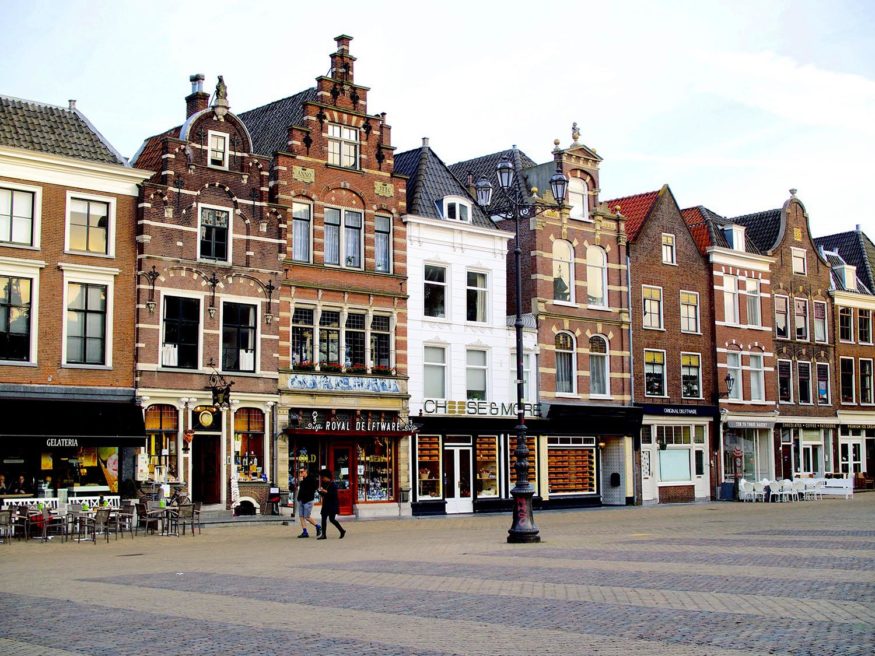


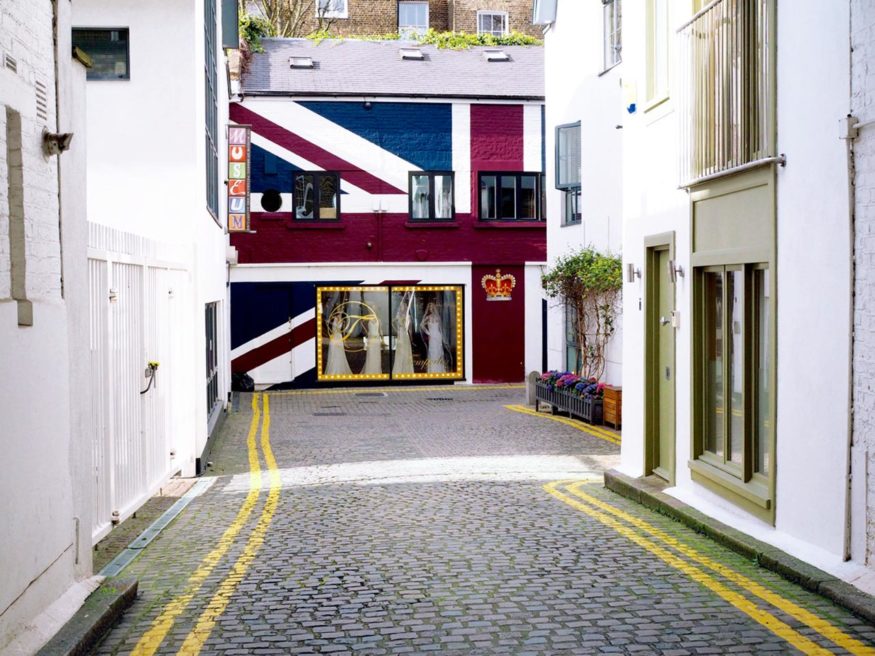

Notting Hill is a vibrant London neighborhood, famed for its pastel townhouses, tranquil secret mews, and the lively Portobello Market. The author celebrates its unique blend of chaotic energy and peaceful charm, offering a self-guided tour of iconic streets like Hillgate Place and hidden gems such as Ladbroke Mews. Visitors are strongly urged to be respectful of residents‘ privacy, taking photos from public spaces. Historically, Notting Hill transformed from a 19th-century slum to an affluent area. Its past includes significant racial tensions which ultimately led to the creation of the Notting Hill Carnival, a joyous celebration of Afro-Caribbean culture. Today, it remains a popular, albeit gentrified, destination.
Few places in the world lift my mood faster than Notting Hill on a crisp, clear London morning. It is a neighborhood that constantly pulls you in two directions at once: one minute you are navigating the brilliant, chaotic energy of the Portobello market stalls, and the next you are stepping into a secret mews where time seems to have stopped entirely. If you’ve somehow never heard of Notting Hill or (gasp!) missed the iconic Hugh Grant rom-com of the same name, it’s where pastel townhouses cozy up to vintage cars and coffee shops.
I make a point of crossing the city to get here every single time I visit London. I don’t look at maps, and I don’t follow a strict schedule. Instead, I let the striking rows of candy-colored townhouses dictate my route, secretly hoping I never find my way out.
The ultimate colorful Notting Hill walking tour
I’ve walked these pavement paths a thousand times, so believe me when I say every single corner holds its own character. This self-guided walking itinerary strings together the most colorful streets, the quaintest hidden alleys, and the prettiest residential façades in West London—essentially a greatest-hits tour of Notting Hill.
🛑 Thoughts on being a good visitor:
Look, I know full well that by writing this guide, I’m technically part of the influx—but let’s agree to be the good guys here. Notting Hill is an exceptionally high-tourism area, but these candy-colored buildings are actual people’s homes. Please don’t be a dick. Avoid staging elaborate, spontaneous photoshoots on private stoops, blocking entryways, or peering into front windows. Snap your photos from the public pavement, keep it respectful, and remember that you’re a visitor in a living, breathing neighborhood.
Must-see stops in Notting Hill
- Pastel streets: Explore the iconic Hillgate Place, Denbigh Terrace, Westbourne Park Road, and Lansdowne Road.
- Charming mews & crescents: Wander through Ladbroke Mews and Colville Mews (home to the beautiful Temperley London store), as well as the grand curves of Lansdowne Crescent. Also consider the quiet charm of Blenheim Crescent and Arundel Gardens.
- Portobello Road icons: Browse the eccentric treasures at Alice’s, visit the legendary Notting Hill Bookshop, and dive into the chaotic energy of Portobello Market on a Saturday.
Photos of Notting Hill
Temperley London store in Colville Mews
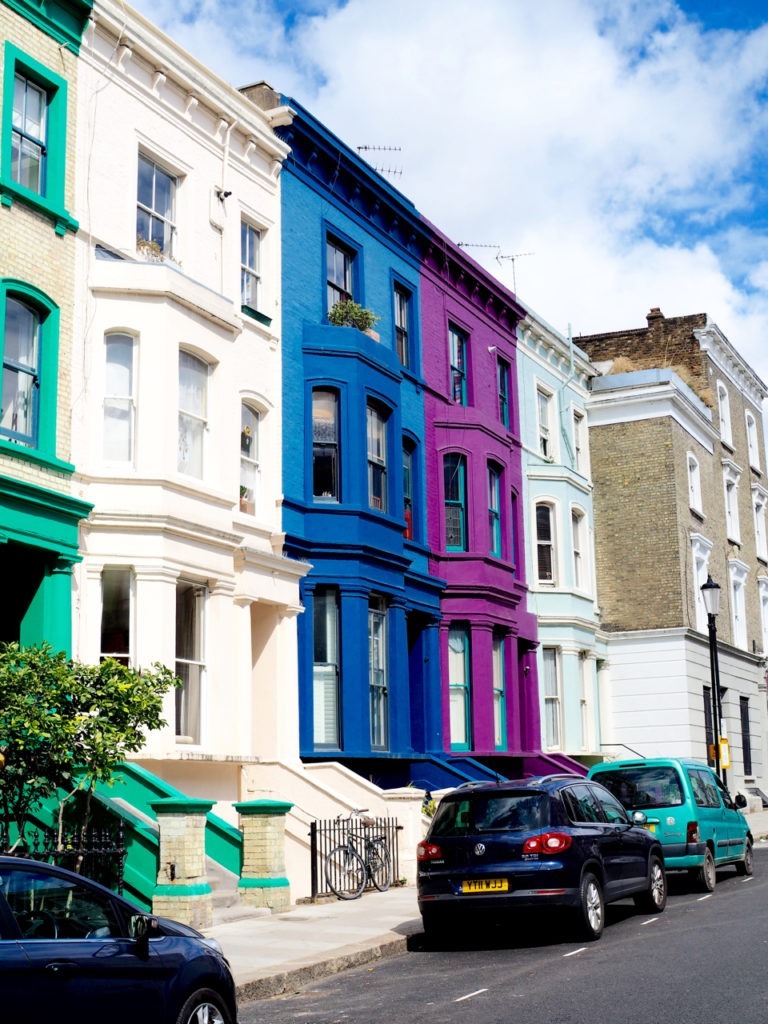 Westbourne Park Road
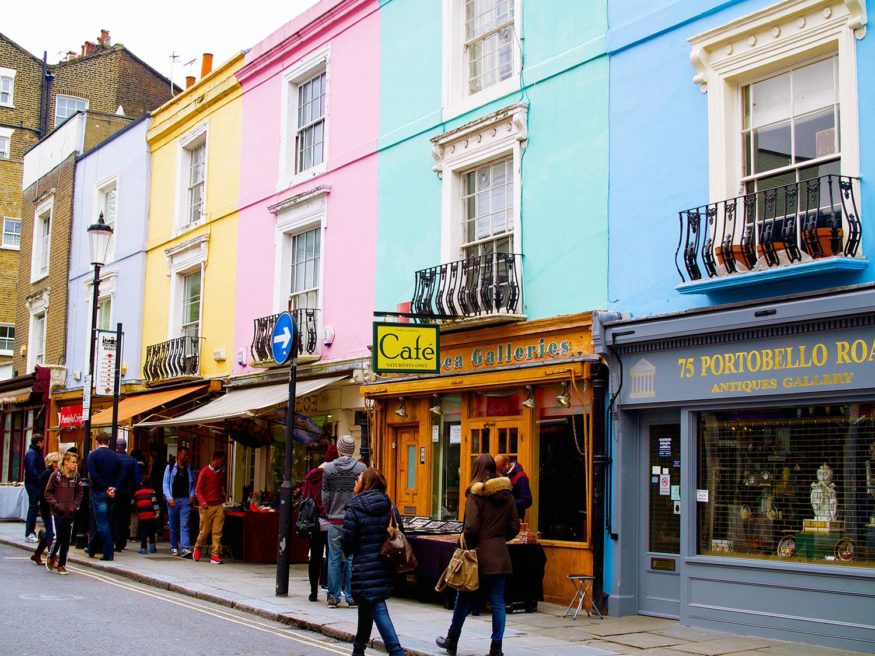 Portobello Market on a Saturday
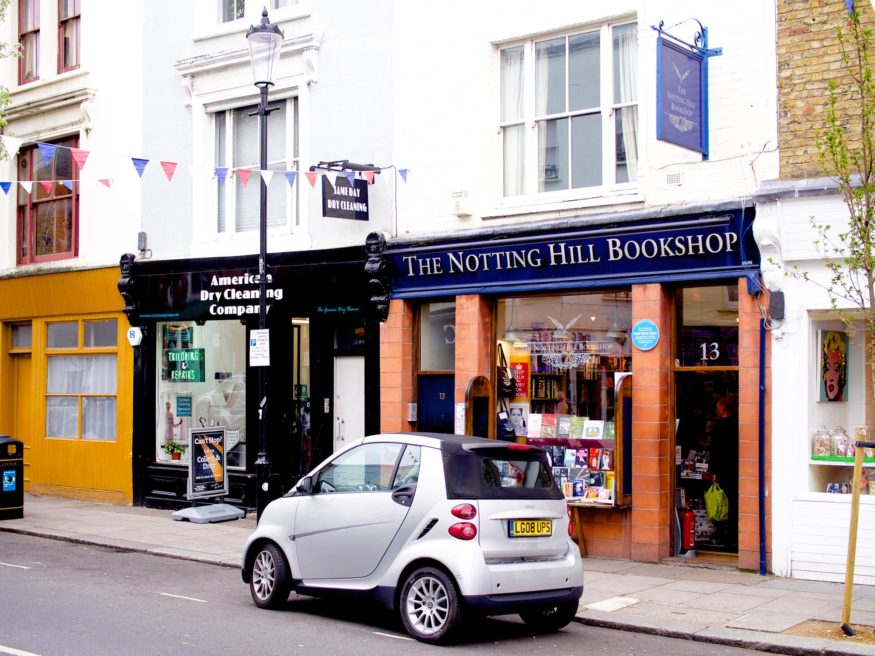 The Notting Hill Bookshop

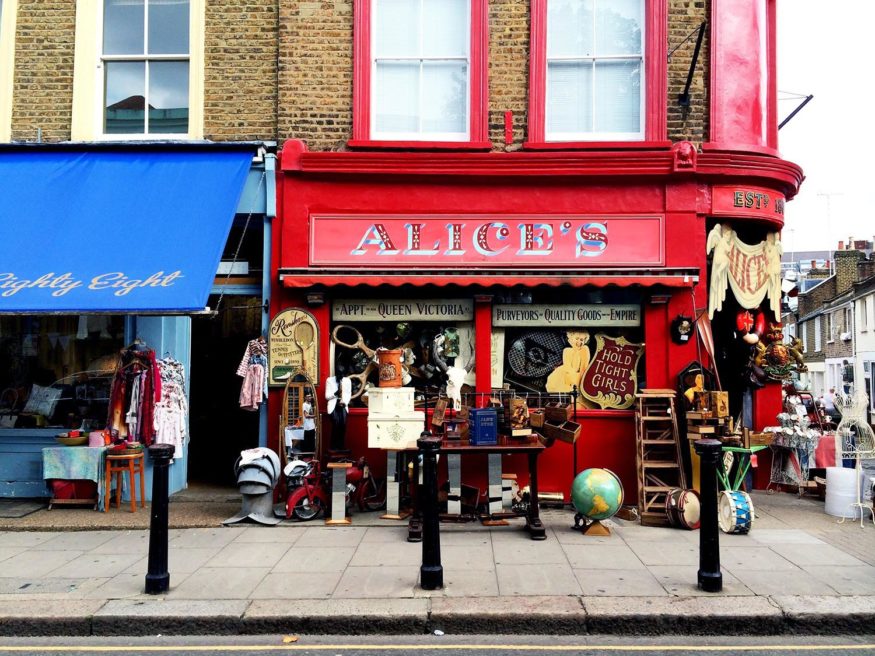
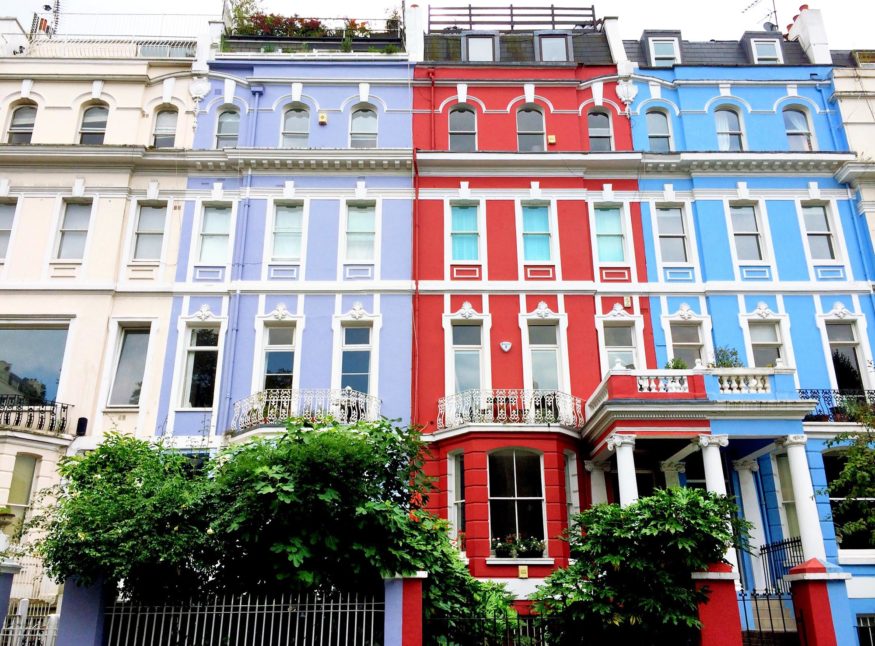
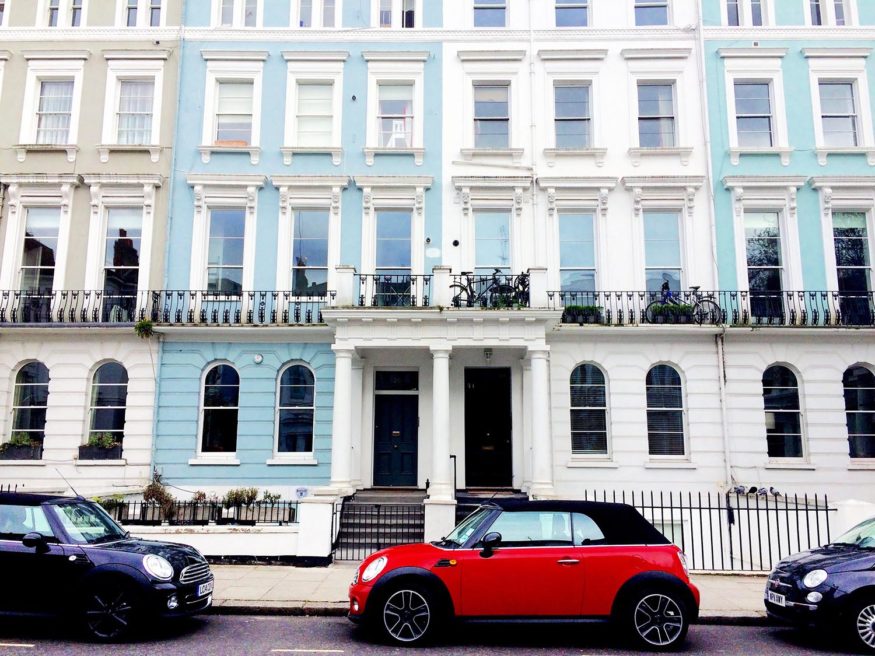 Arundel Gardens
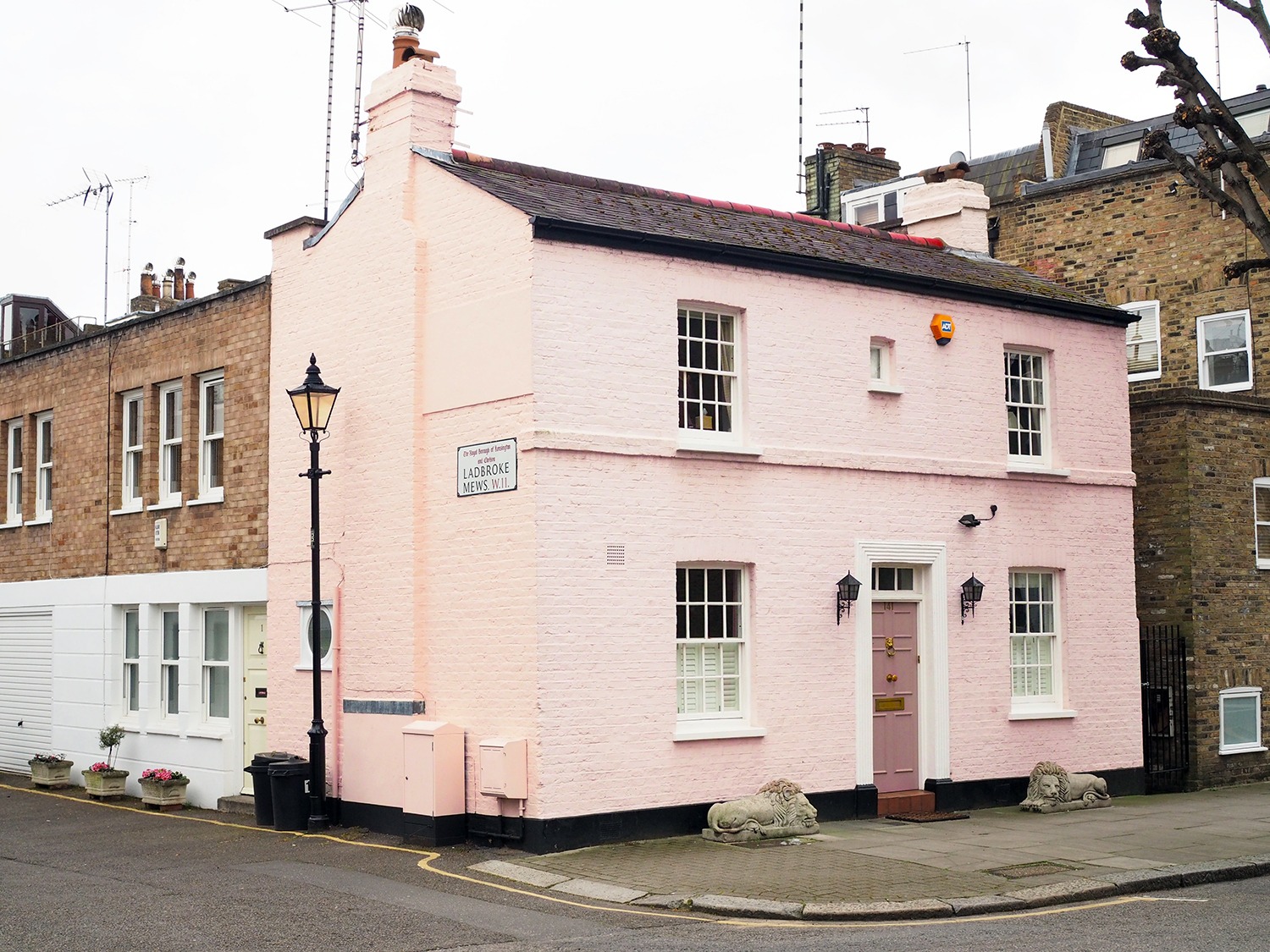 Ladbroke Mews
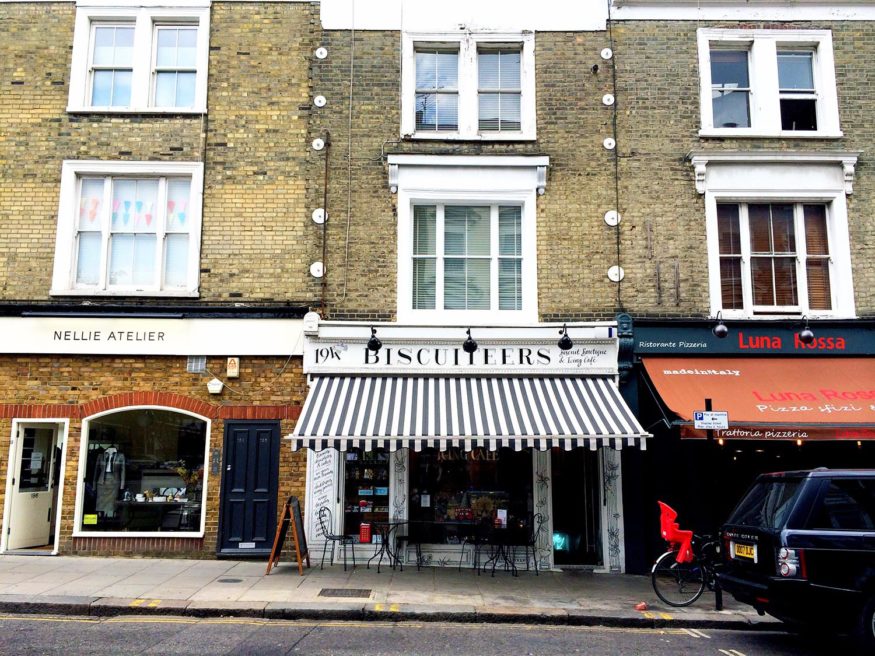 Biscuiteers
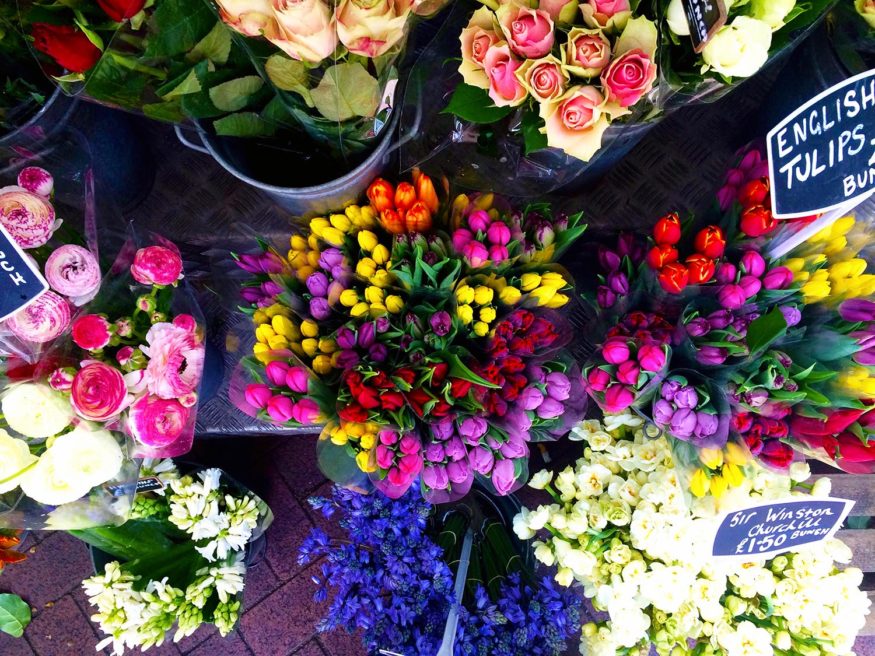
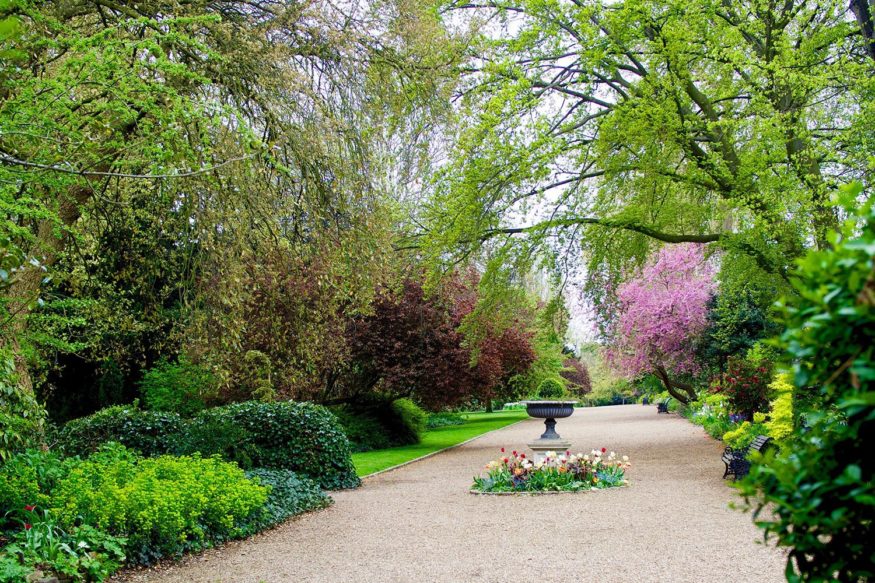
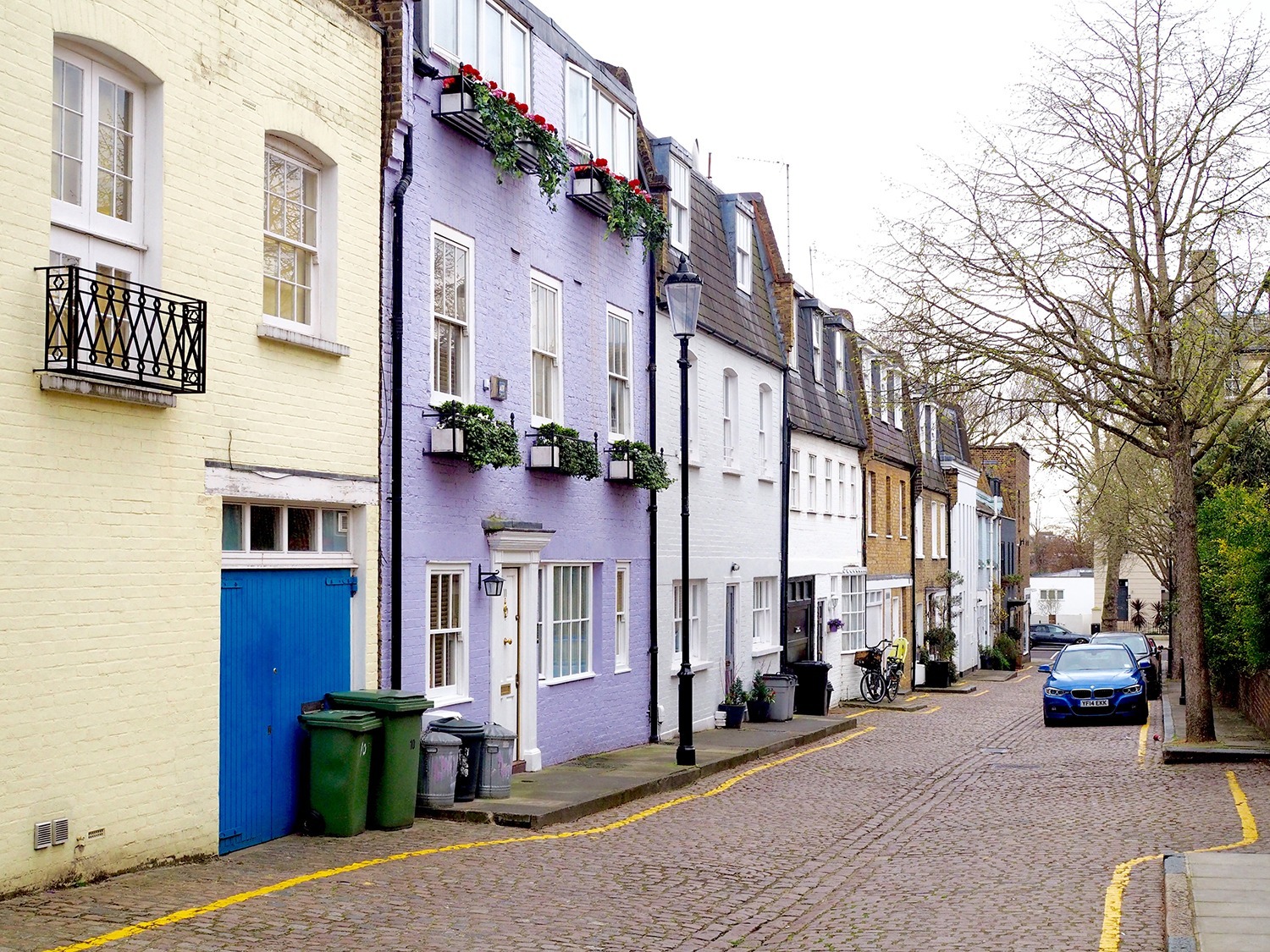 Ladbroke Mews
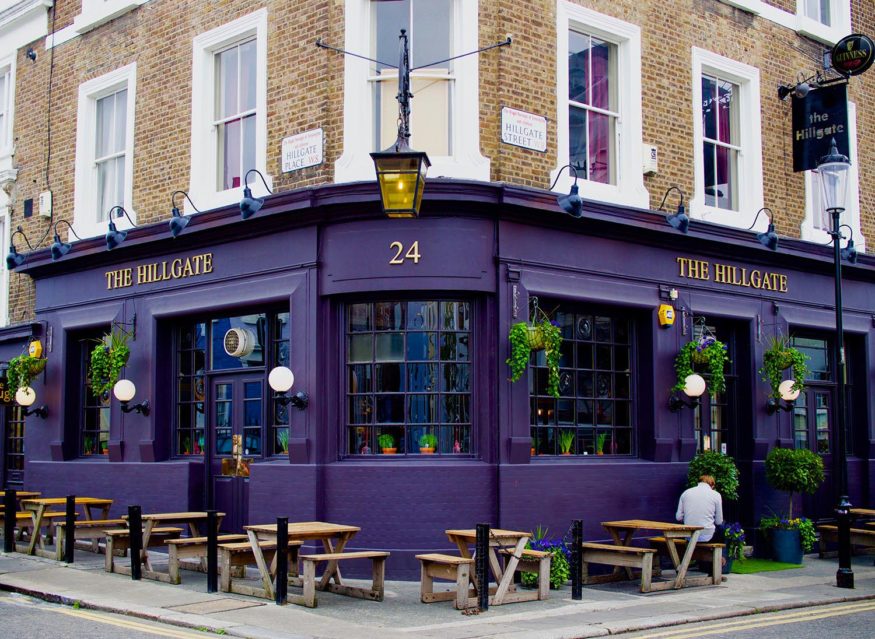 Hillgate Place
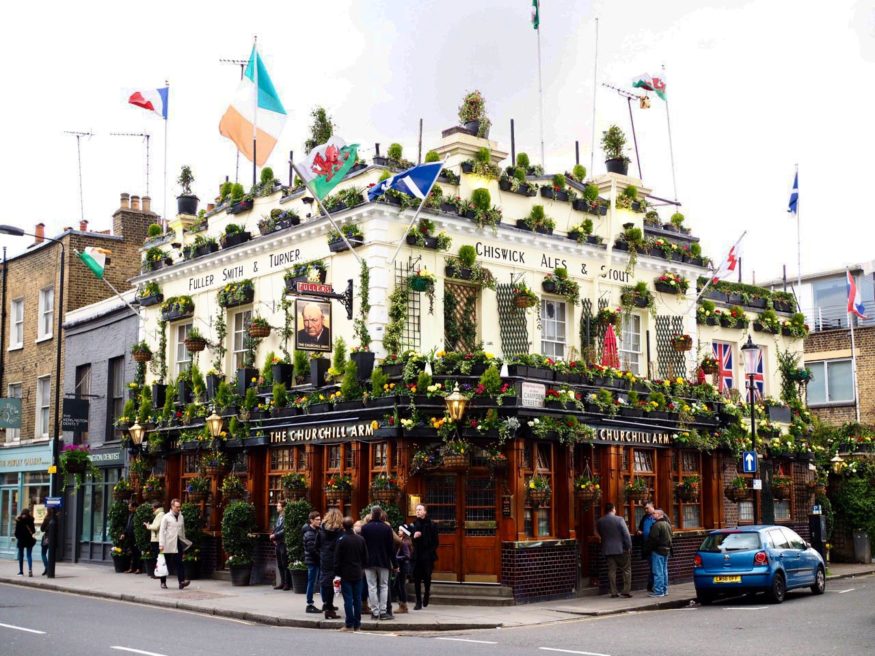 The Churchill Arms
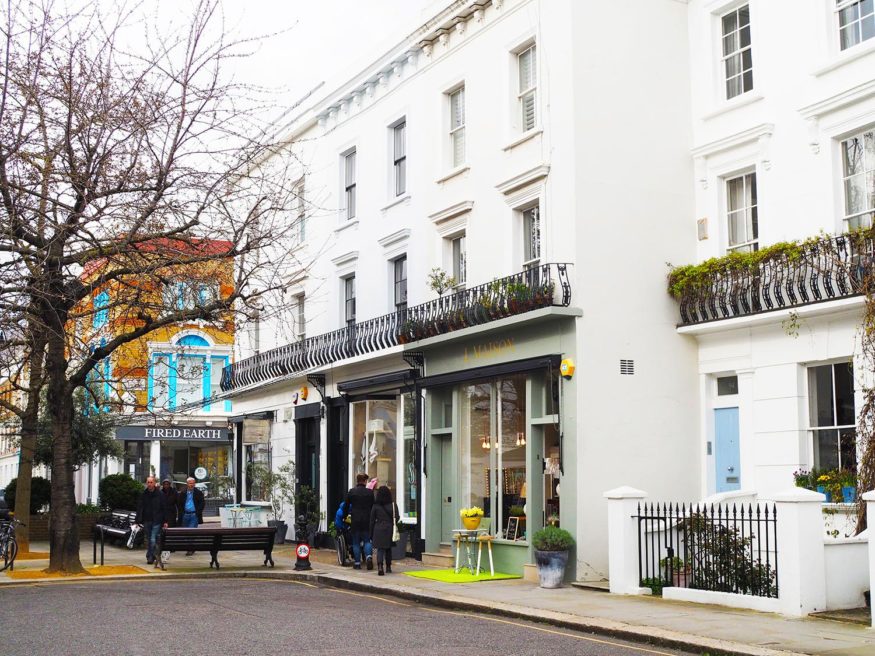
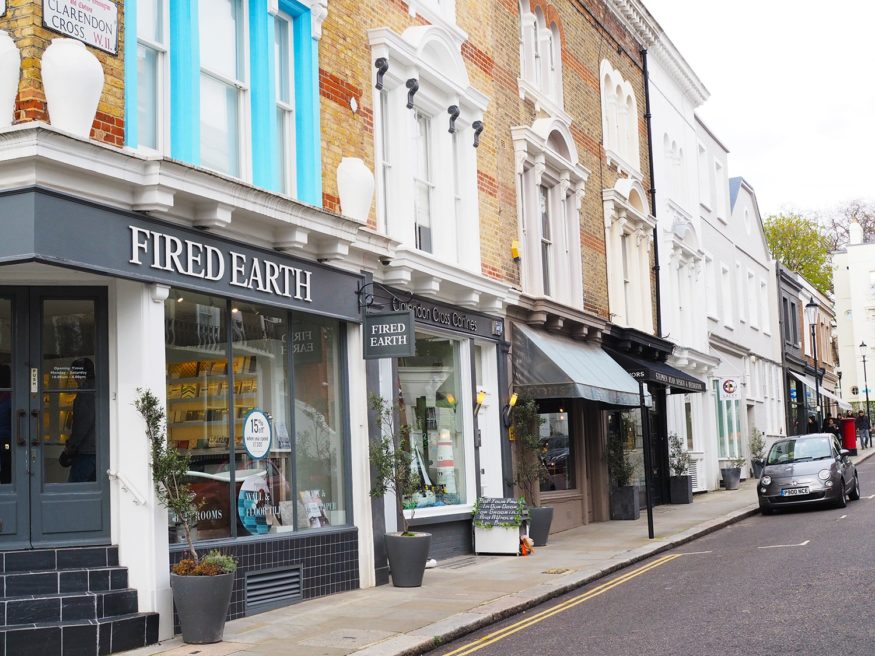
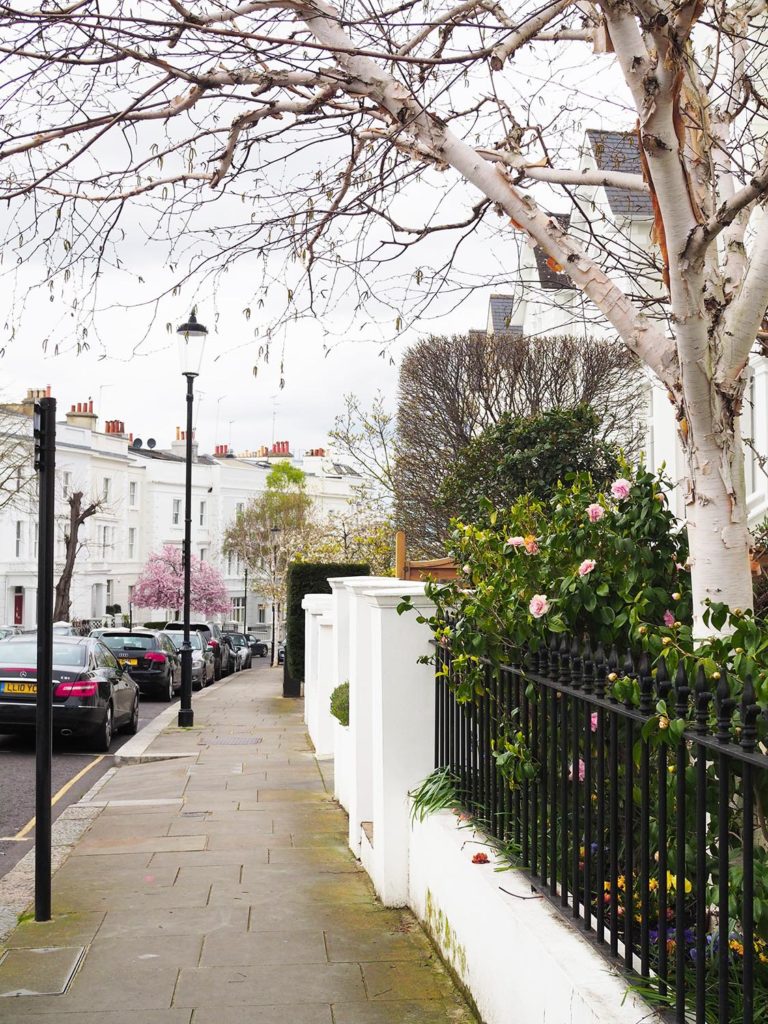 Landsowne Road
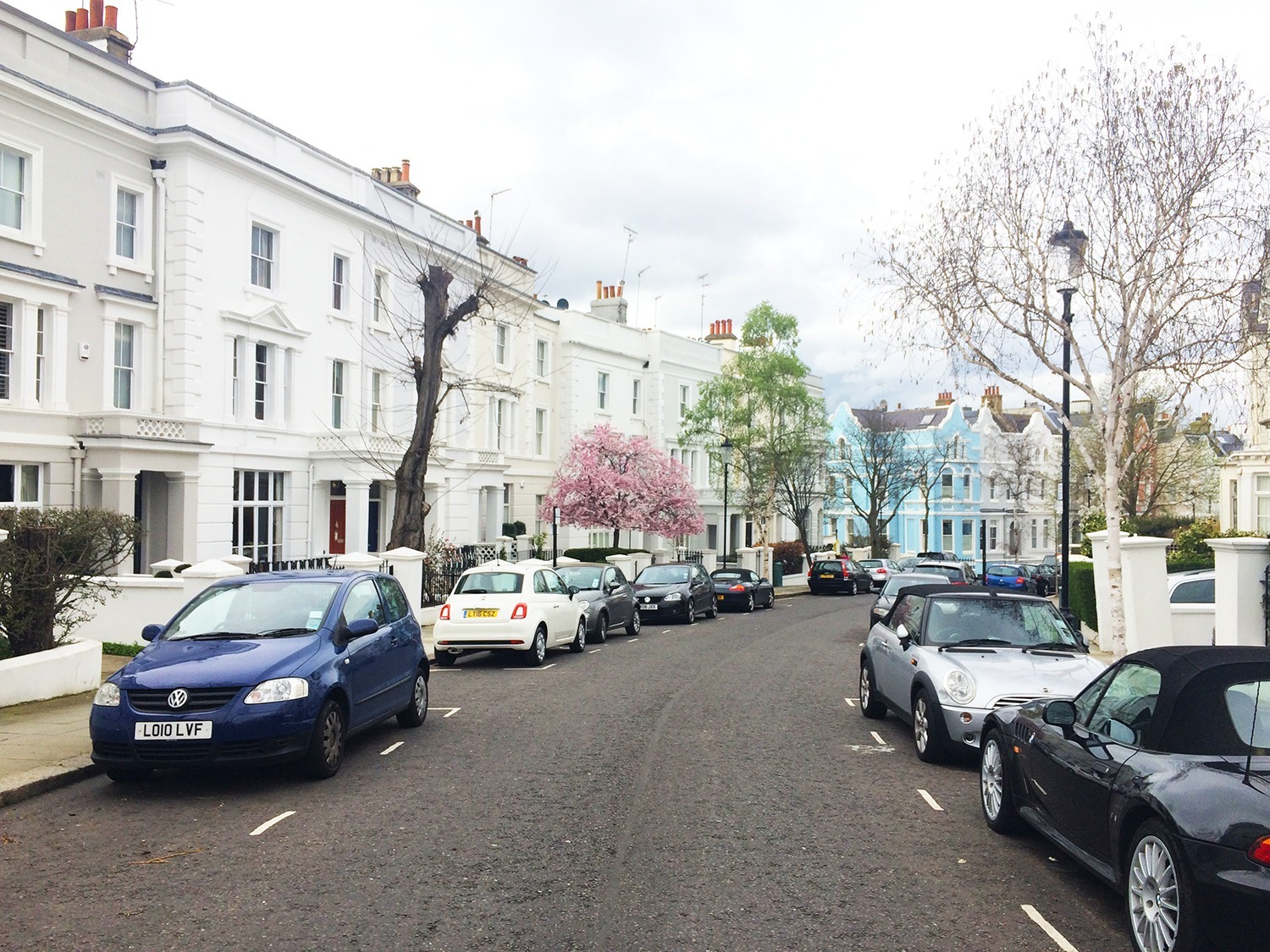 Landsowne Road
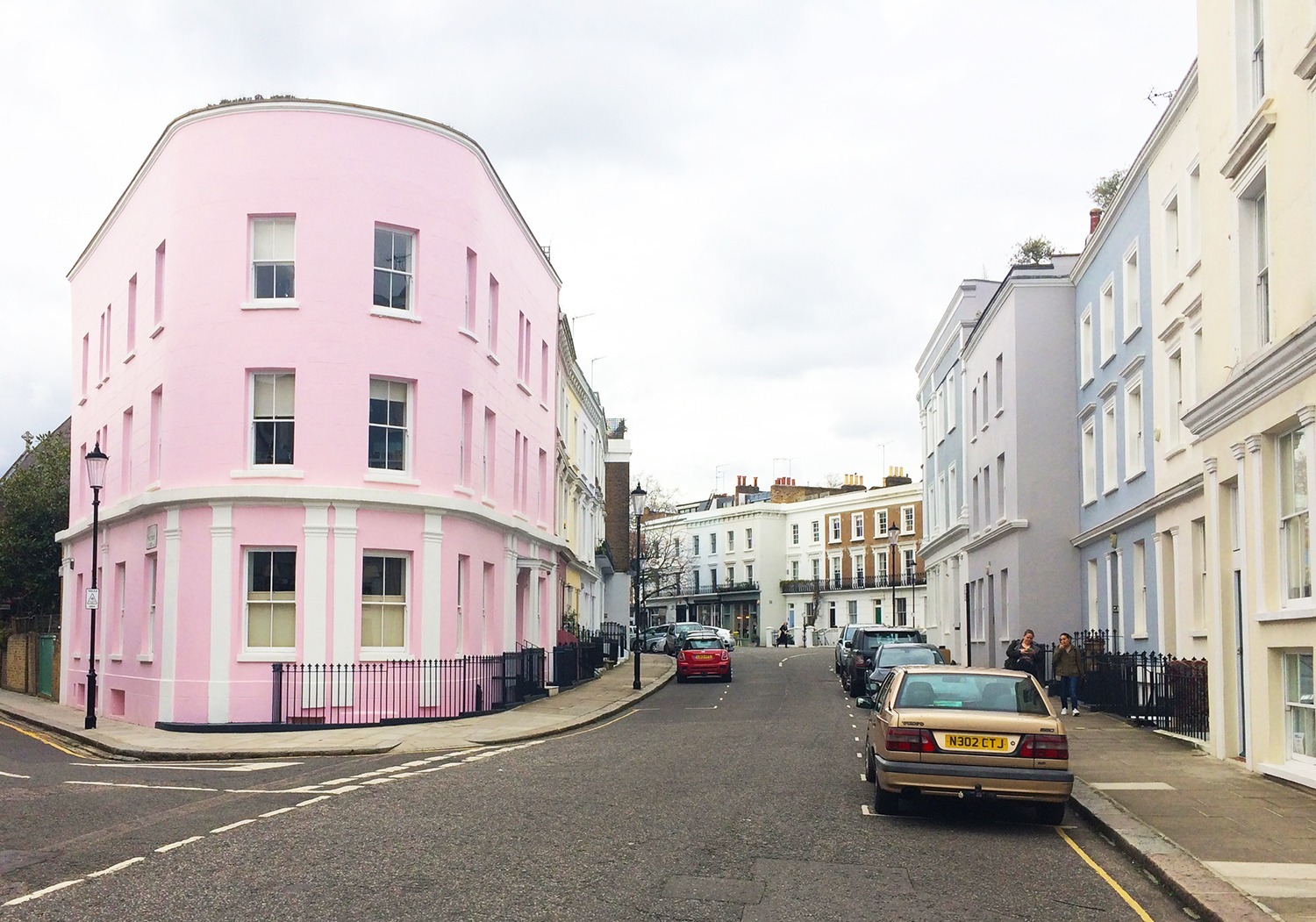 Penzance Place
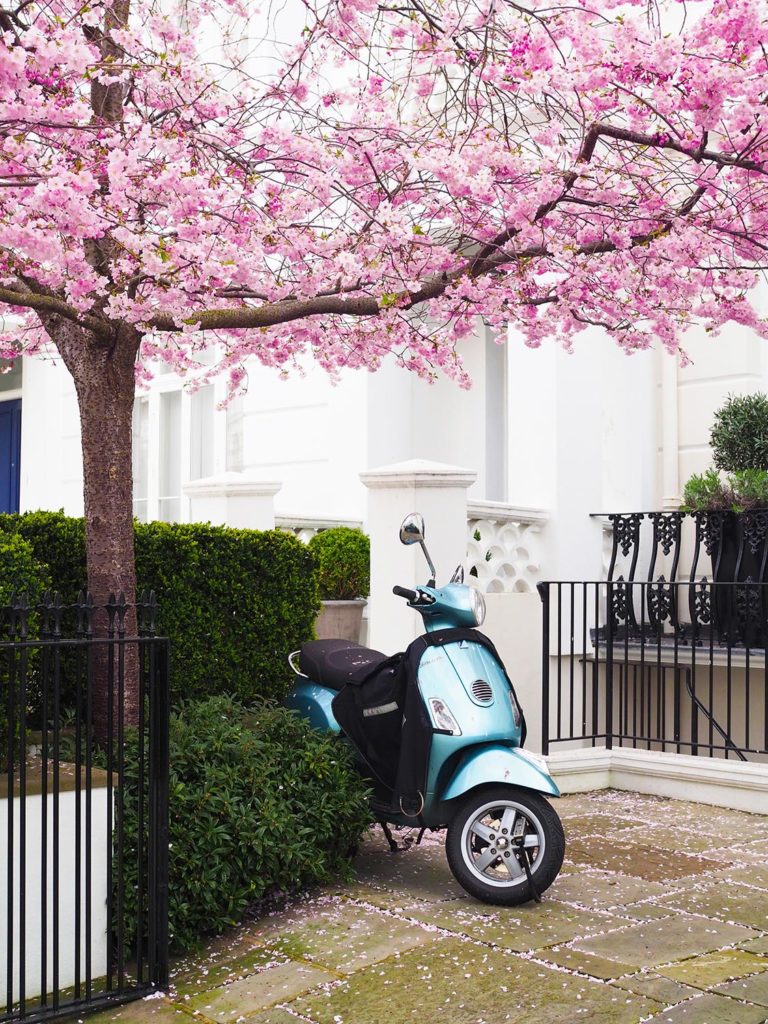

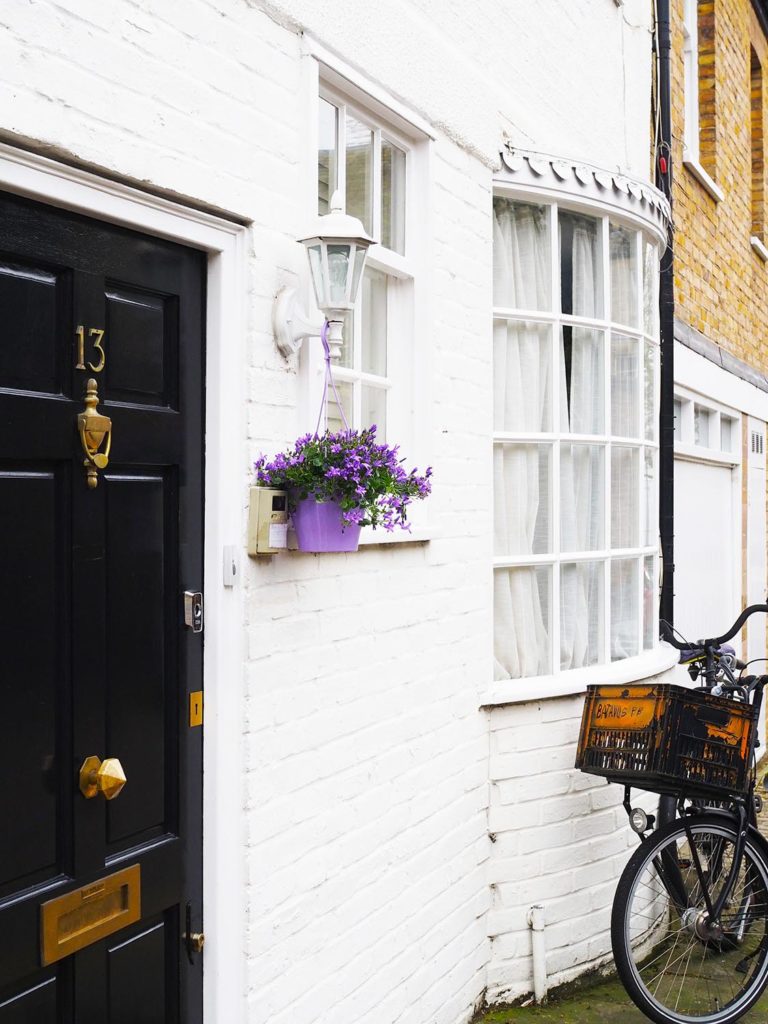
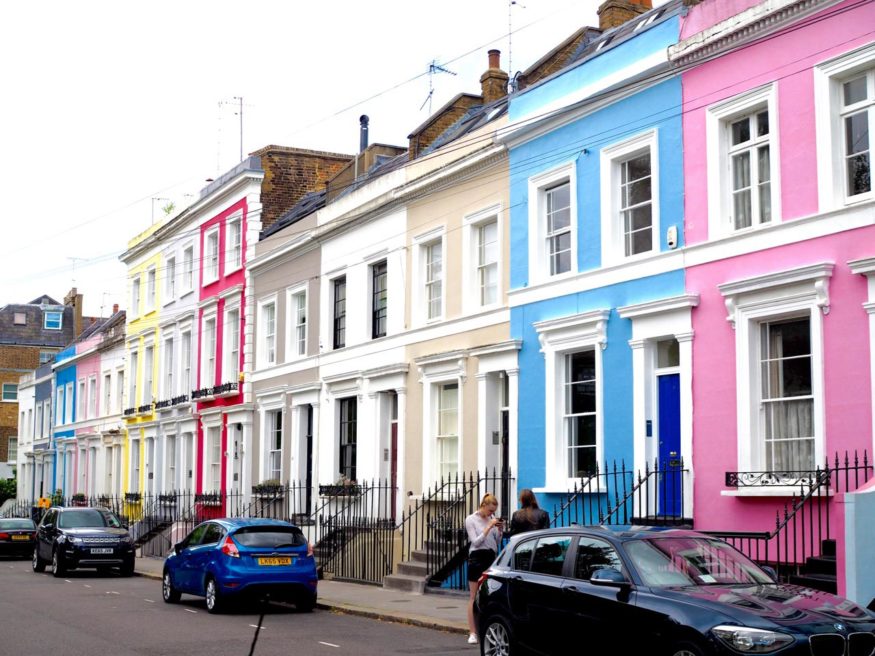 Denbigh Terrace
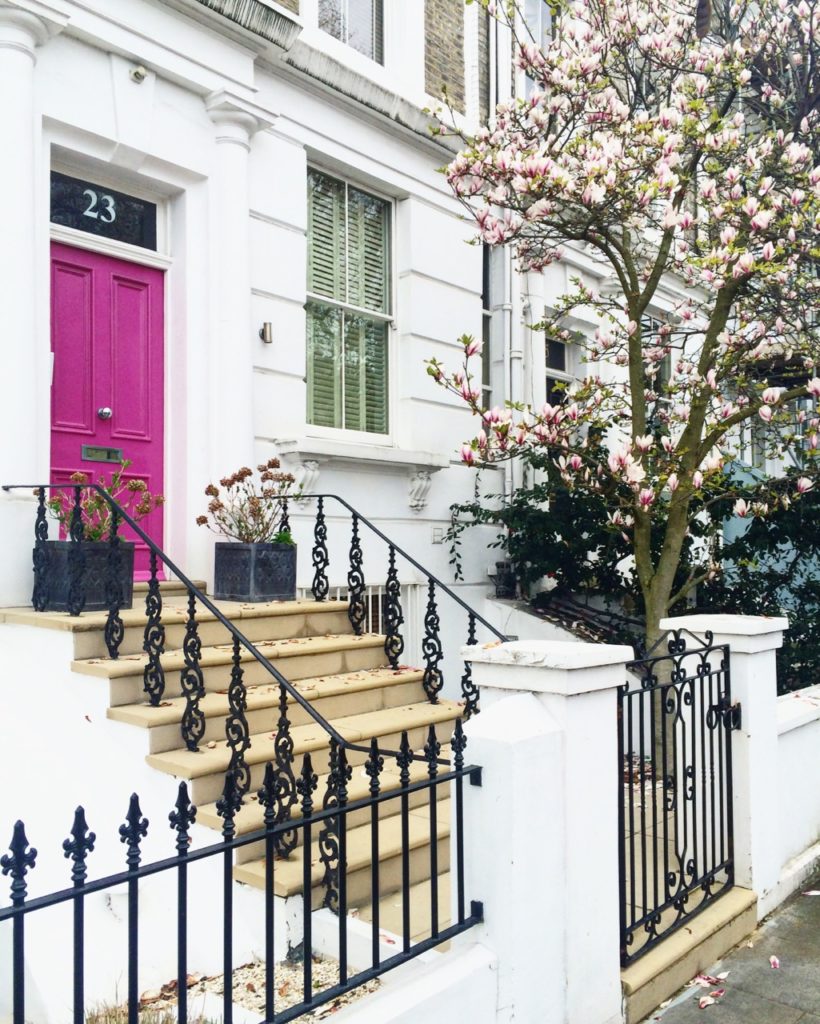
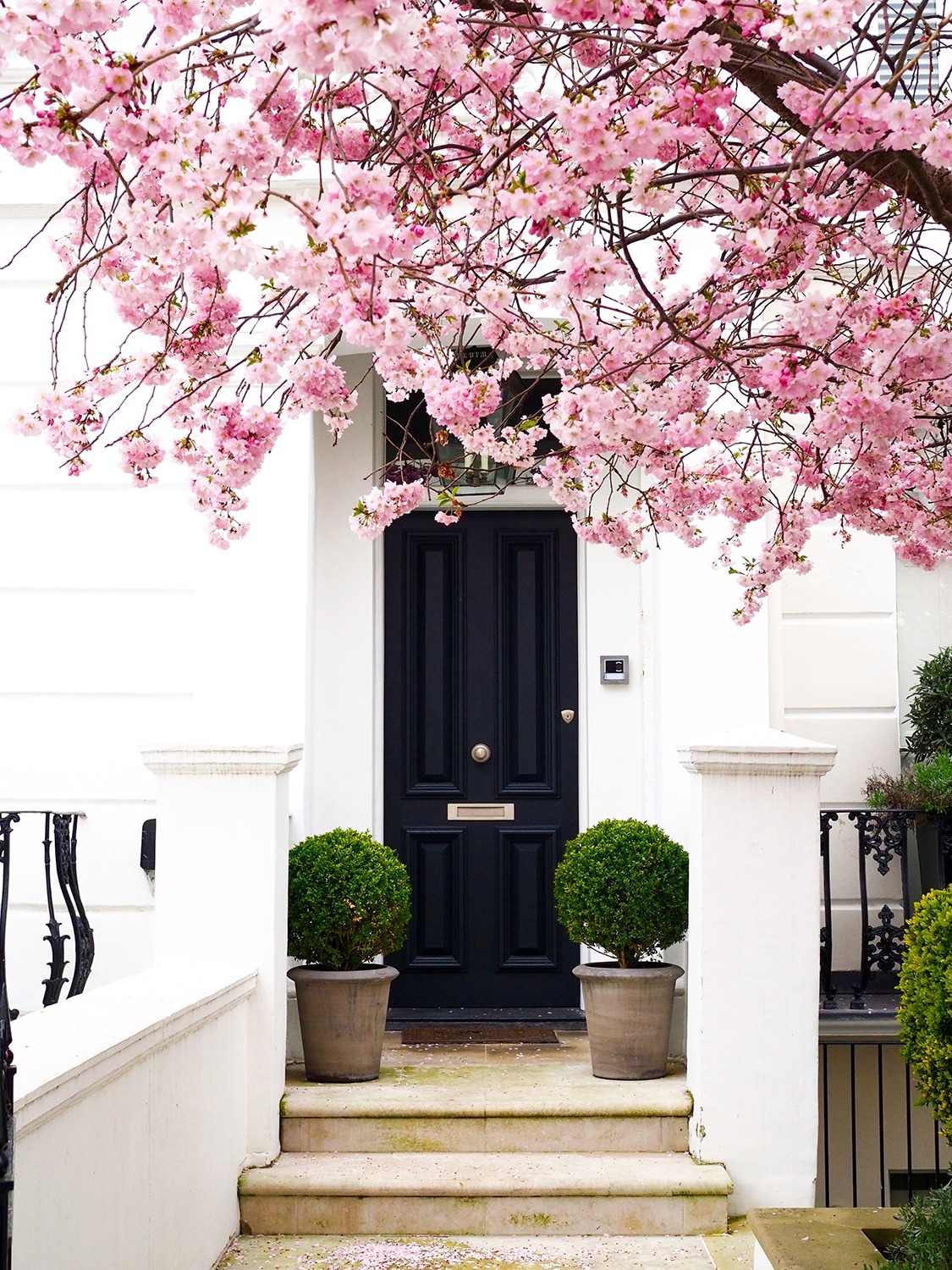
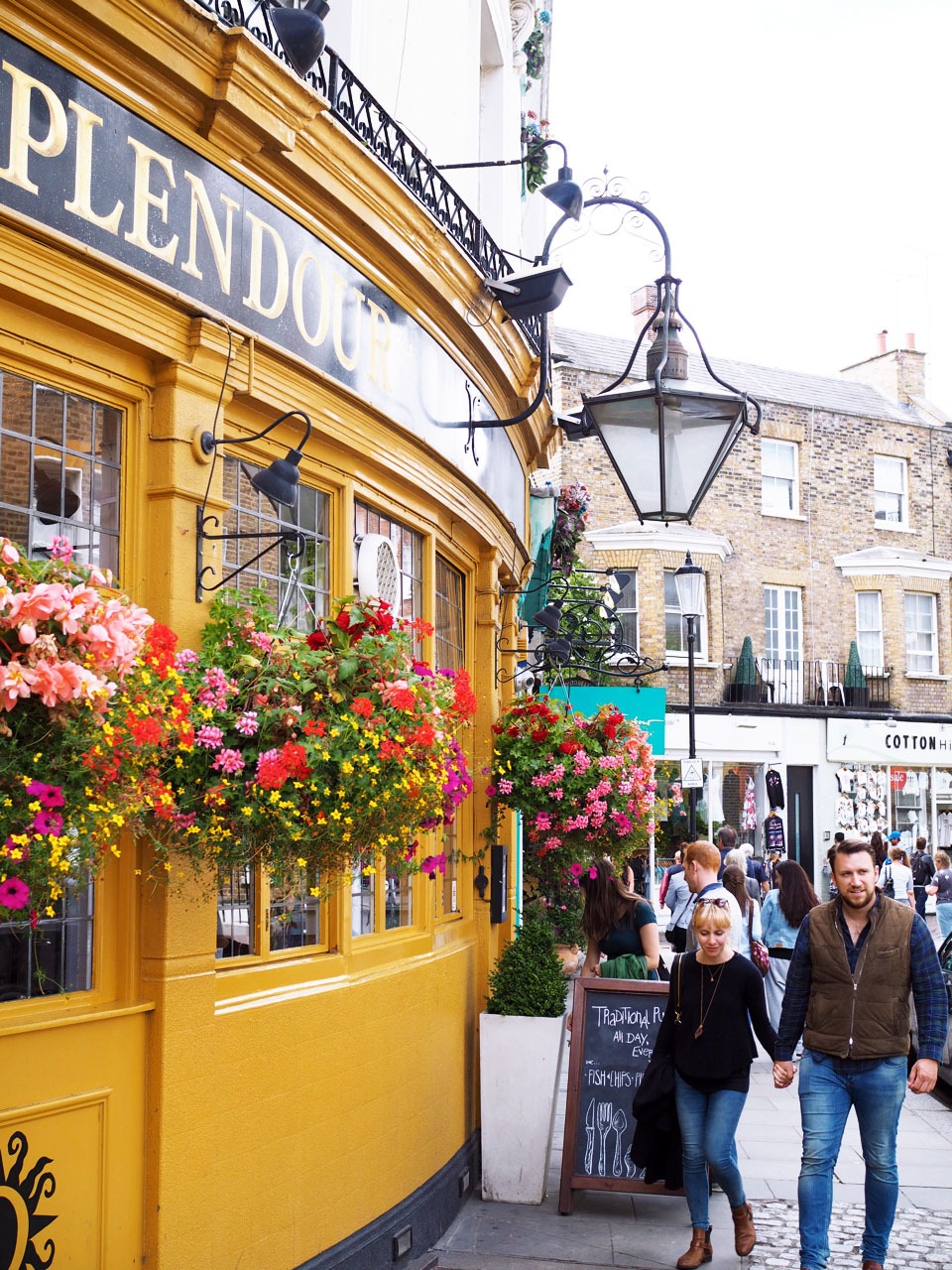
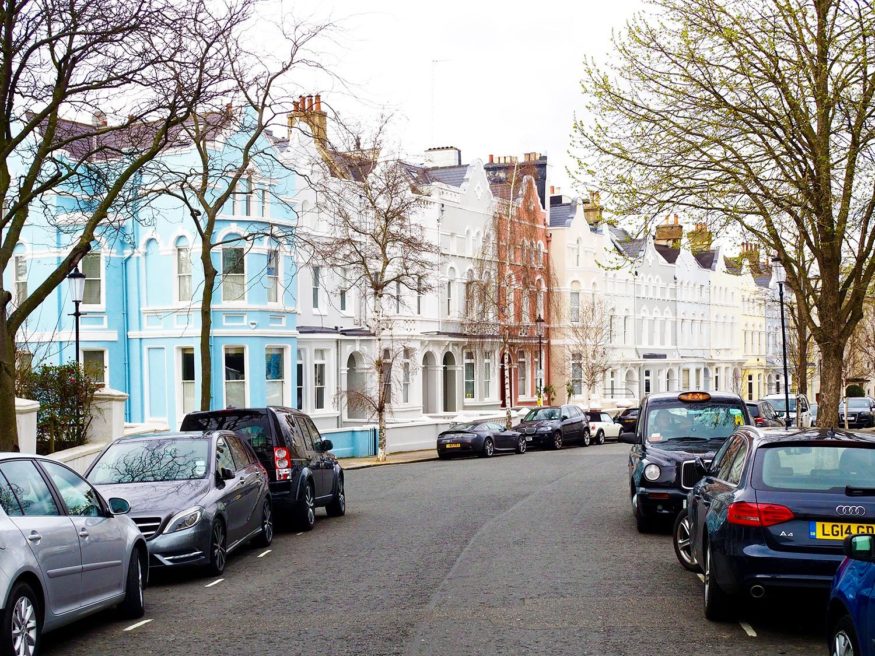 Lansdowne Crescent
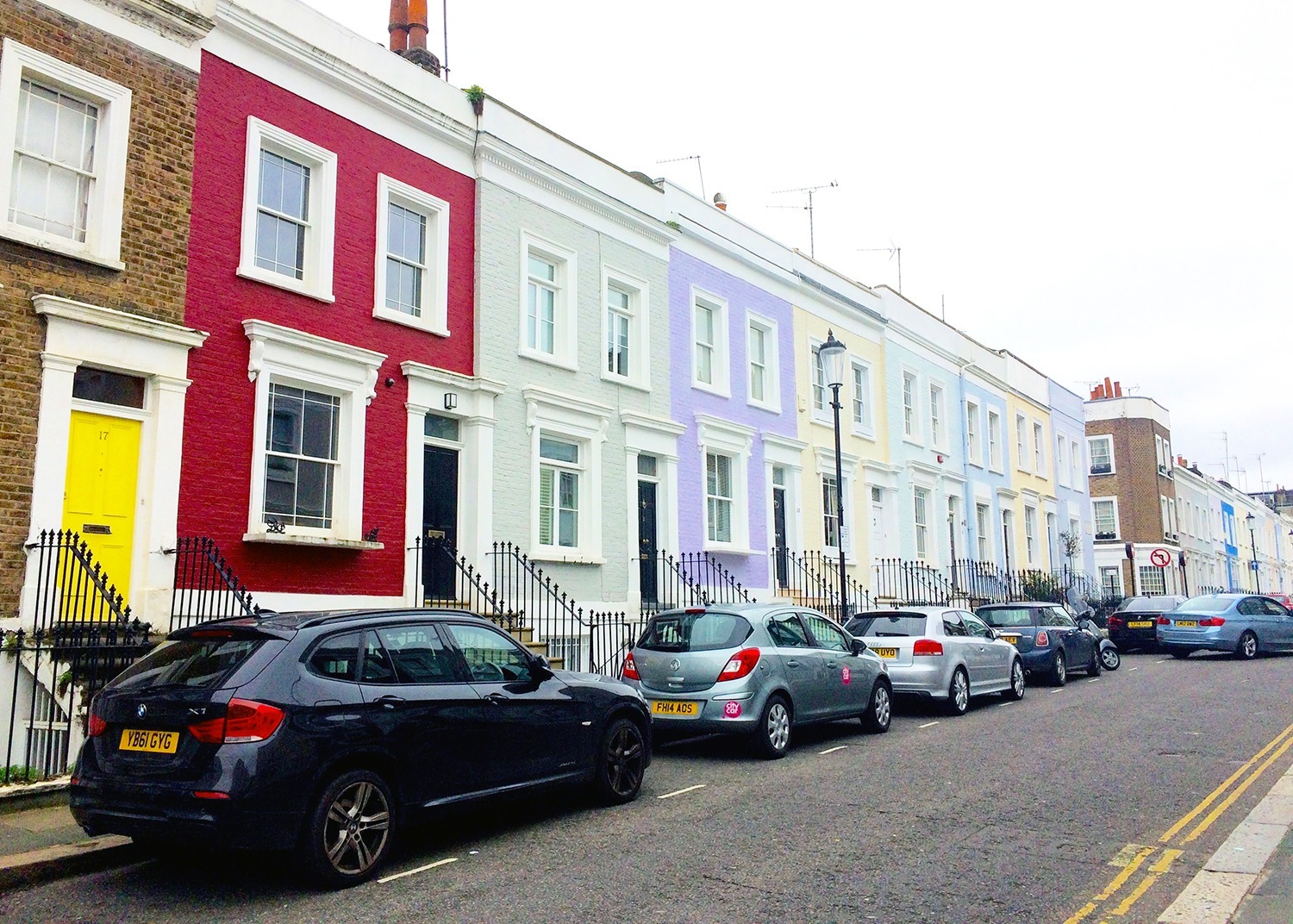 Hillgate Place
Notting Hill – a bit of history
Although it’s now one of London’s most affluent neighbourhoods—where townhouses typically sell for a modest £4–6 million—Notting Hill wasn’t always so polished. In fact, up until the late 1800s, it was a slum, home to piggeries, smoke-belching pottery kilns, and grim living conditions.
The area was largely populated by white, working-class locals of low social standing, where violence and unemployment were part of daily life. So when a wave of Caribbean immigrants arrived after World War II, tensions flared almost immediately.
Racial disparities and cultural differences gave rise to deep divisions. Discrimination was rampant: landlords often refused to rent to Black tenants—or charged them extortionate rates—and many pubs simply banned them outright. In May 1958, tensions boiled over into a violent three-day riot, during which Black residents were brutally attacked.
This is the context in which the now-iconic Notting Hill Carnival was born.
The event was launched as a celebration of Afro-Caribbean culture, designed to uplift the community and ease tensions, if only temporarily. Though Black locals were still excluded from many public spaces, that didn’t stop them from creating their own: a vibrant network of underground venues emerged, serving not just their community, but curious outsiders as well. Members of the Rolling Stones and Eric Clapton, for example, found themselves drawn to this gritty-yet-creative enclave.
By the mid-1980s, the violence had subsided, and new residents—attracted by the (then) low rents and roomy flats—began moving in around Portobello Road. But affordability didn’t last. Today, Notting Hill is a playground for the well-heeled, filled with designer boutiques, elegant cafés, and—of course—those beloved pastel façades we just can’t get enough of. 😉
Where to stay in Notting Hill
Where to eat & drink in Notting Hill
- Biscuiteers
- Hagen Espresso Bar
- The Cow
- Akub
- Dove
- The Pelican
- Equivalence Coffee
- The Elgin
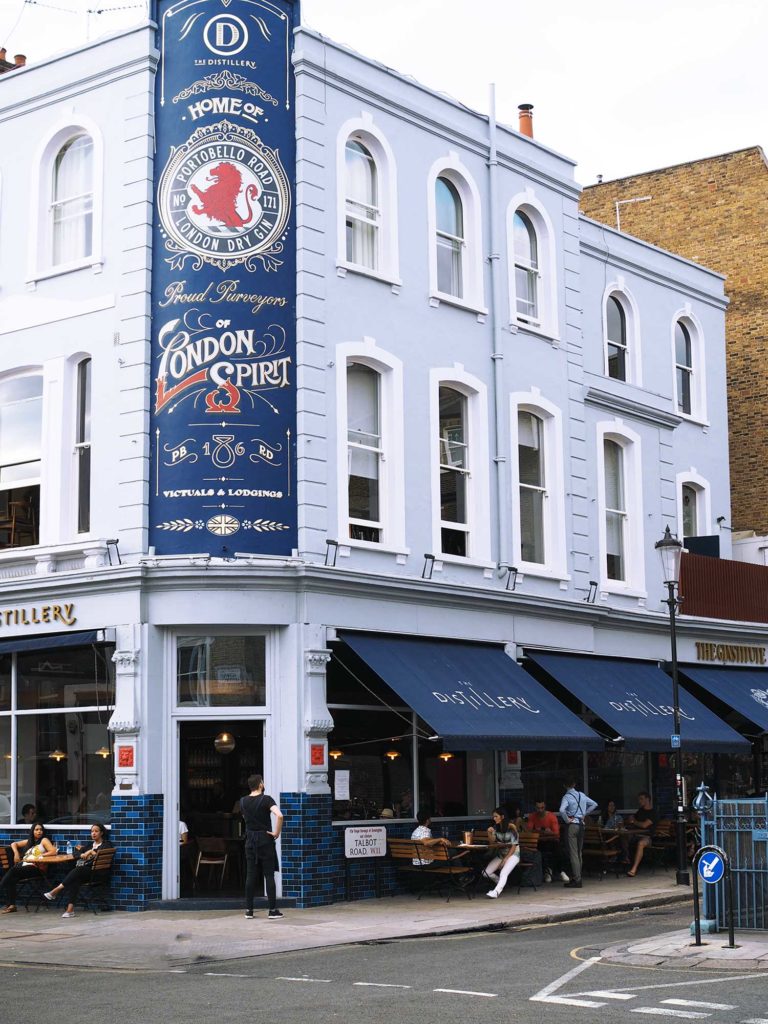 The Distillery and the Ginstitute in Notting Hill
Hinweis: Externer Inhalt von https://www.toeuropeandbeyond.com/love-letter-notting-hill-colourful-houses-walking-itinerary/. Rechte bei den jeweiligen Urhebern. » Mehr… » Melden