


The solera system, prominent in Jerez for Sherry, is a unique wine-aging method that prioritizes consistent style over individual vintages. Unlike single-vintage wines, it continuously blends wines of various ages. Barrels are stacked in tiers: the bottom „solera“ holds the oldest wine, with progressively younger „criaderas“ above. A portion is drawn from the solera, then refilled from the next oldest tier, a process cascading upwards with new wine entering the top. This fractional blending ensures a constant average age, buffering vintage variations and allowing for distinct biological (flor) or oxidative aging paths. The result is a complex, consistently flavored wine, embodying a blend of history rather than a single year.
Wine folks, particularly collectors, tend to put a lot of value on vintages… and for the most part rightfully so. Some years are wet and cool, while others can be dry and insanely hot. And of course, the conditions change based on country, region, and vineyard. But there is a corner of the wine world, centered largely in the historic bodegas of Jerez, Spain, where specific vintages mean far less than the sum of their parts.
Enter the solera system. It is arguably the most complex, historic, and potentially confusing way to age wine. Instead of bottling wine from a single vintage each year, winemakers blend wines of different ages continuously. Using a technique commonly known as “fractional blending,” the goal isn’t to capture all that the individual year had to offer—instead, it’s to create a consistent, recognizable house style that tastes the same today as it did when your great grandparents shared a bottle over dinner.
Building Wine from Different Barrels
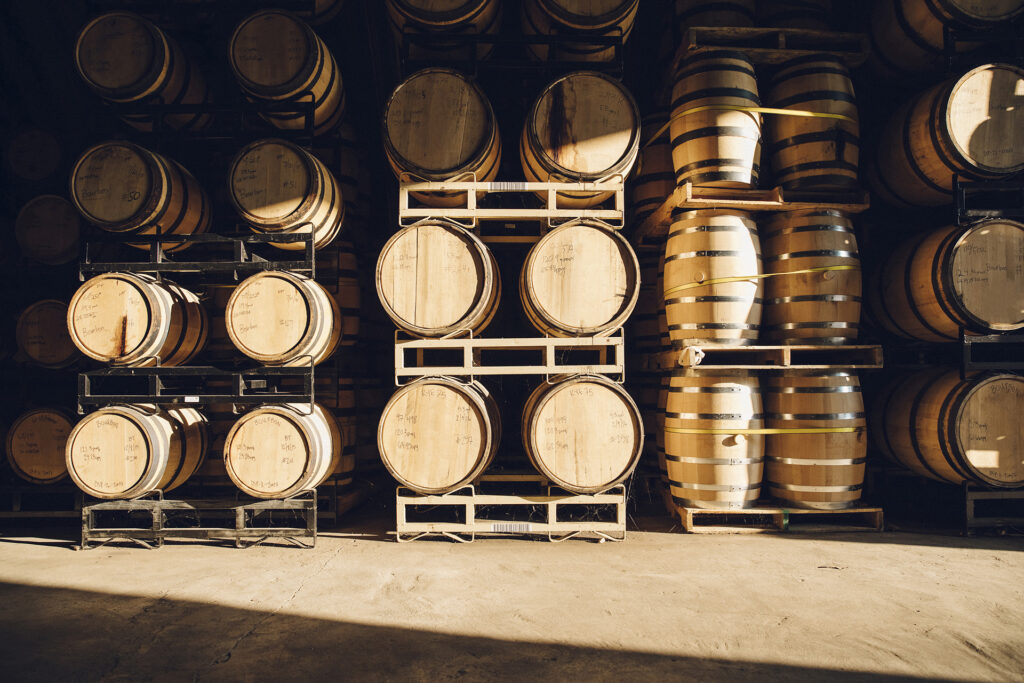
To visualize a solera, imagine a wall of oak barrels stacked in tiers. The bottom row is actually called the solera, derived from the Spanish word for floor. This row contains the oldest wine in the system and is where the final wine destined for the year’s bottles is pulled from. Above it are layers of younger wines, known as criaderas. The first criadera sits directly above the floor barrels, with the second above that, and so on. Some systems are small and may have only two to three layers, while others are massive labyrinths of wood barrels that have been blending wines for decades.
// Create the element
var script_6a3af84e09053 = document.createElement(„script“);
script_6a3af84e09053.innerHTML = `
window.googletag = window.googletag || {cmd: []};
googletag.cmd.push(function() {
var adType = „leaderboard“;
var mapping;
var lbmapping = googletag.sizeMapping()
.addSize([1024, 0], [[970, 250], [970, 90], [1, 1], [728, 90]])
.addSize([728, 0], [[728, 90], [1, 1]])
.addSize([320, 0], [[1, 1], [300, 50], [300, 100], [320, 50], [320, 100]])
.addSize([0, 0], [[1, 1], [320, 50]])
.build();; // Size mapping for leaderboard ads
var medrecmapping = googletag.sizeMapping()
.addSize([1024, 0], [[300, 600],[300, 250]])
.addSize([728, 0], [300, 250])
.addSize([320, 0], [[1, 1],[300, 250]])
.addSize([0, 0], [[1, 1], [300, 250]])
.build(); // Size mapping for med rectengle ads
if(‚/39808611/article_page/article_leaderboard_1‘ == ‚/39808611/article_page/article_leaderboard_1‘
|| ‚/39808611/article_page/article_leaderboard_1‘ == ‚/39808611/article_page/article_leaderboard_2‘
|| ‚/39808611/article_page/article_leaderboard_1‘ == ‚/39808611/article_page/article_leaderboard_3‘) {
mapping = googletag.sizeMapping()
.addSize([1920, 0], [[728, 90]]) // >= 1920px
.addSize([1440, 0], [[728, 90]]) // 1440px-1919px
.addSize([730, 0], [[300, 250]]) // 730px-1439px
.addSize([0, 0], [[320, 100], [320, 50], [300, 100], [300, 50], [300, 250]]) // Up to 729px
.build();
} else {
mapping = adType == ‚leaderboard‘ ? lbmapping : medrecmapping;
}
googletag.defineSlot(‚/39808611/article_page/article_leaderboard_1‘, [[1, 1]],
‚div-gpt-ad-6a3af84e09053‘).addService(googletag.pubads()).defineSizeMapping(mapping);
googletag.pubads().enableSingleRequest();
googletag.pubads().collapseEmptyDivs();
googletag.display(‚div-gpt-ad-6a3af84e09053‘);
});
`;
// Append the script to the body
document.body.appendChild(script_6a3af84e09053);
The magic happens through a process of extraction and replenishment, often called “running the scales.” When it’s time to bottle the wine, the winemaker draws a portion from the bottom solera row, but here’s the catch: they never empty the barrels. Usually, they take no more than a third of the liquid from the bottom row.

Once the oldest wine is removed, the barrels have a gap that needs filling. This replenishment is called rocío, or dewing/sprinkling. The winemaker takes wine from the first criadera, the next oldest layer, and moves it down to fill up the bottom solera row. Then, the second criadera tops off the first criadera row, and the third tops up the second. This cascading refill continues until you reach the very top tier of barrels, which is finally filled with the youngest wine from the most recent harvest.
No Bad Years
With this constant movement between various vintages, there’s always a degree of barrel age. Because you’re only moving a small fraction of the wine at a time, the oldest wine remains the dominant soul of the blend. Think of it as Mr. Miyagi training Daniel, imparting his wisdom on the young and arrogant newbie that is full of potential. It’s a process that ensures the final product maintains a reliable, recognizable style. You don’t have to worry about a “bad year” ruining the flavor profile because the sheer volume of older, consistent wine in the system buffers just about all vintage variation. Plus, if there is a poor vintage the amount of wine from said vintage can be limited to how much is added to the top row.
This is also why you rarely see a specific year printed on a bottle of high-quality Sherry, where this process is most utilized. Instead of a vintage, these wines are defined by an average age. When you sip a wine from a solera that has been running since 1920, you’re technically drinking a blend that contains a tiny, microscopic trace of every single vintage harvested since the system began. That’s what makes these solera-aged wines so charming and charismatic.
Getty Images
The environment inside those barrels is just as important as the movement of the liquid. Unlike most table wines, which are kept in topped-up barrels to hide from oxygen, solera barrels are often only partially filled. This leaves a headspace of oxygen that allows the wine to evolve in one of two distinct, and quite different, directions.
The first is biological aging. This is where a specialized layer of yeast called flor forms on the surface of the wine. This living yeast cover protects the wine from oxygen and is used in Sherry styles like Fino or Manzanilla. These wines stay pale, lean, and incredibly fresh with high acidity and flavors of green apple and almond. The constant addition of new wine into the top tiers is vital here because it provides fresh nutrients the yeast needs to stay alive and the flor needs to stay intact.
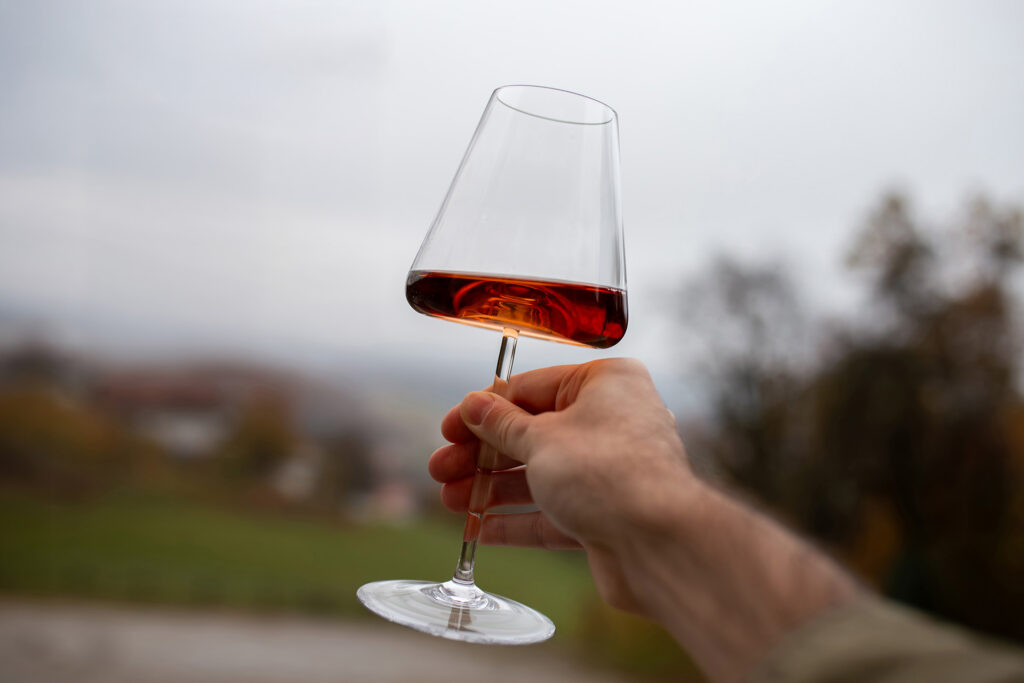
The second path is oxidative aging. If the winemaker decides to fortify the wine, the heightened alcohol levels will kill the yeast, thereby halting fermentation on the spot. Without that protective layer of flor, the wine is exposed to oxygen in the barrel. Over years in the solera, the wine turns deep amber or brown, developing intense characteristics of walnuts, dried figs/dates, and all kinds of spice.
// Create the element
var script_6a3af84e0ba7d = document.createElement(„script“);
script_6a3af84e0ba7d.innerHTML = `
window.googletag = window.googletag || {cmd: []};
googletag.cmd.push(function() {
var adType = „leaderboard“;
var mapping;
var lbmapping = googletag.sizeMapping()
.addSize([1024, 0], [[970, 250], [970, 90], [1, 1], [728, 90]])
.addSize([728, 0], [[728, 90], [1, 1]])
.addSize([320, 0], [[1, 1], [300, 50], [300, 100], [320, 50], [320, 100]])
.addSize([0, 0], [[1, 1], [320, 50]])
.build();; // Size mapping for leaderboard ads
var medrecmapping = googletag.sizeMapping()
.addSize([1024, 0], [[300, 600],[300, 250]])
.addSize([728, 0], [300, 250])
.addSize([320, 0], [[1, 1],[300, 250]])
.addSize([0, 0], [[1, 1], [300, 250]])
.build(); // Size mapping for med rectengle ads
if(‚/39808611/article_page/article_leaderboard_2‘ == ‚/39808611/article_page/article_leaderboard_1‘
|| ‚/39808611/article_page/article_leaderboard_2‘ == ‚/39808611/article_page/article_leaderboard_2‘
|| ‚/39808611/article_page/article_leaderboard_2‘ == ‚/39808611/article_page/article_leaderboard_3‘) {
mapping = googletag.sizeMapping()
.addSize([1920, 0], [[728, 90]]) // >= 1920px
.addSize([1440, 0], [[728, 90]]) // 1440px-1919px
.addSize([730, 0], [[300, 250]]) // 730px-1439px
.addSize([0, 0], [[320, 100], [320, 50], [300, 100], [300, 50], [300, 250]]) // Up to 729px
.build();
} else {
mapping = adType == ‚leaderboard‘ ? lbmapping : medrecmapping;
}
googletag.defineSlot(‚/39808611/article_page/article_leaderboard_2‘, [[1, 1]],
‚div-gpt-ad-6a3af84e0ba7d‘).addService(googletag.pubads()).defineSizeMapping(mapping);
googletag.pubads().enableSingleRequest();
googletag.pubads().collapseEmptyDivs();
googletag.display(‚div-gpt-ad-6a3af84e0ba7d‘);
});
`;
// Append the script to the body
document.body.appendChild(script_6a3af84e0ba7d);
These wines fall under the Oloroso category, where the texture becomes richer, the structure is more pronounced, and the flavors are more concentrated through slow evaporation. Other forms of Sherry, like Amontillado (which starts with biological aging, then switches to oxidative) and Palo Cortado also utilize this path.
Beyond Sherry: Solera in Other Wine Regions
The solera process is used in other parts of the wine world outside of just Sherry production in Jerez. These regions include Sicily (Marsala), Australia (Rutherglen Muscat), Portugal (Madeira), and France (in Banyuls and Champagne).
Champagne is a tricky one, however, as many houses use multi-vintage blending for their non-vintage (NV) house style blend, which differs slightly from the traditional solera system used for various fortified wines. To maintain a consistent style, Champagne producers blend each new vintage with carefully selected reserve wines from previous years.
This process is absolutely as labor intensive and tedious as it sounds, but it’s worth its weight in gold: These bottles possess a level of complexity that a single-vintage wine simply cannot achieve on its own.
 Getty Images
On the other hand, in fortified wines, a solera system continually introduces younger wines into older ones, so that generations of wine gradually blend together and pass their character from one to the next. The technique balances the brightness and acidity of youth alongside the leathery, savory depth of old age. It is a complex, and when done right, flat out delicious infinite loop of flavor.
So, the next time you see a bottle of Sherry, another solera-aged fortified wine, or even your favorite Champagne, don’t be turned off just because there’s no vintage on the bottle. Know that what’s inside is a blend of history and chemistry, a wine that has quite literally traveled through the ages one barrel at a time, to get to your glass.
More Wine Coverage
- TikTok is putting pickles in Sauvignon Blanc. Of course, we had to get in on the fun.
- Read this if you’re planning a picnic this weekend.
- Drink like a pro with our wine reviewers’ summer wine picks.
- WE Executive Editor Maria Yagoda went to a wellness resort—for the wine.
- Is Wales the next up-and-coming wine region? Signs point to yes.
- From fresh and floral to deep and concentrated, give Gavi a shot.

In the Shop
Bar Cabinets: Wine & Spirits Furniture
Display (or hide) your bottles in style with versatile pieces in a variety of shapes and customizable refrigeration options.
Shop Now
The post What, Exactly, Is ‘Solera’? appeared first on Wine Enthusiast.
Hinweis: Externer Inhalt von https://www.wineenthusiast.com/basics/drinks-terms-defined/solera/. Rechte bei den jeweiligen Urhebern. » Mehr… » Melden